Skip Hire in Blackheath

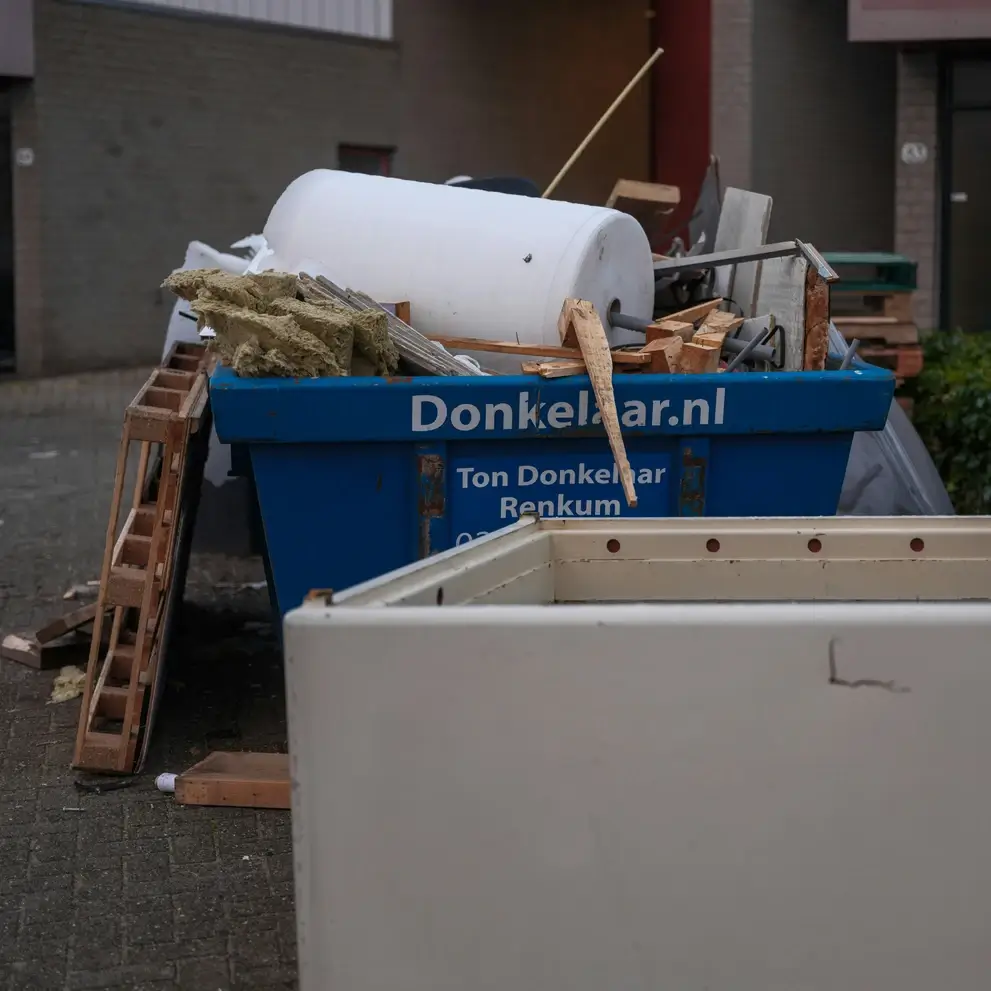
Skip hire in Blackheath gives households, landlords, trades and site teams a straightforward way to clear waste with a container suited to the job. Our service covers mixed renovation waste, bulky clear-outs and regular project rubbish, with options that help you keep materials together and remove them efficiently. If you are planning work in Blackheath, it is often easier to match the skip to the waste stream first, then arrange the delivery window around access and loading needs.
We provide a practical service built around clear capacity choices, sensible waste types and reliable collection arrangements. That means you can use the skip for a focused task such as a bathroom strip-out, garden overhaul or shop refit, rather than trying to manage several separate removal methods. For many customers, the main advantage is control: waste stays in one place, loading is simpler and the site remains easier to work around while the work is under way.
The best place to start is with the type of material you need to remove, the access available and how quickly the waste will be ready. You can plan the job in stages if the project is ongoing, or keep it simple with one container for a short, concentrated clear-out. Use the sections below to compare the main service options and choose a suitable next step.
Domestic skip hire for home projects

Domestic skip hire suits home improvements, decluttering and household clearances where ordinary bin collections are not enough. It is often used for kitchen updates, bathroom replacements, attic clear-outs and general mixed waste from redecorating. The key is to match the skip to the volume and the waste mix, so you have enough space without paying for capacity you do not need. A well-sized skip can keep a project moving without repeated trips to the tip.
Home customers often need a simple layout plan before the skip arrives. Think about where the container will sit, whether the access route is narrow, and how loading will happen if the work is spread across more than one room. If you are sorting a larger property, it can help to keep reusable items separate from waste from the start. That makes the hire more orderly and reduces the chance of filling the skip with things that should be reused elsewhere.
For a domestic job, the most useful approach is usually to gather waste in one place and load it as the project progresses. Keeping heavier items low and lighter materials on top can make loading easier, while careful sorting helps avoid unnecessary complications. If you are unsure how to begin, check what can go in a skip and then decide which items belong in the container and which should be handled separately.
Builders skip hire and construction waste clearance
Builders skip hire is designed for renovation, refurbishment and light construction waste where materials build up quickly. Common contents include rubble, timber offcuts, packaging, plasterboard, metal, flooring and general site debris. The right container helps trades keep the work area organised and gives a clear place for waste as demolition or fitting progresses. For many building tasks, the skip becomes part of the workflow rather than an afterthought.
Construction waste clearance works well when the job generates a mixed load and the team needs a dependable collection point on site. It may suit single-room refurbishments, structural alterations or external works such as paving and landscaping. Different materials may need different handling, so it is worth separating items that are especially heavy, awkward or restricted. That approach can make loading safer and help avoid an awkward last-minute reshuffle when the skip is nearly full.
We can also support larger jobs where waste is produced in phases. More than one collection cycle may be helpful if a project runs over several days and the waste stream changes as the work develops. For customers comparing approaches, our builders skip hire page gives a focused route into this type of service, while the construction waste disposal option is useful when the job needs more direct removal planning.
Commercial and site waste solutions
Commercial customers usually need waste handling that fits around trading hours, access rules and the practical demands of a live premises. Skip hire can support office moves, retail refits, storage clear-outs and maintenance work where waste should leave the site in an orderly way. For businesses, the value is often in reducing interruptions: one container can hold accumulated rubbish while staff keep the project area clear and usable.
Site waste solutions are also useful when a larger property generates mixed material from several parts of the premises. That might include packaging, redundant fixtures, shelving, old furniture or general waste produced during a fit-out. If the location has limited loading space, the hire plan should reflect that from the start. A thoughtful arrangement around positioning, fill level and collection timing can make the work easier without introducing avoidable disruption to daily operations.
When the contents are chiefly bulky or office-based, the most suitable route may be a dedicated clearance service rather than a standard mixed-waste container. Commercial skip hire and office clearance are both useful starting points for business customers who need a more tailored approach. For jobs that are not suited to a skip at all, the alternative may be our rubbish removal service.
Waste types, sorting and collection choices
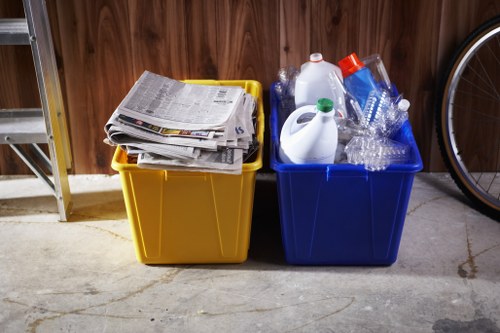
Different projects create different waste streams, and the better the sorting, the more straightforward the hire tends to be. Mixed waste is common in domestic and light commercial jobs, while heavier loads from demolition or structural work may need closer attention to material types. Some items can be included in a skip, while others require separate handling because of composition, weight or disposal rules. A practical plan at the start helps prevent delays when the container is being filled.
Knowing the waste type is often more important than estimating the final pile size alone. For example, a small amount of dense rubble can weigh heavily, while light but bulky furniture may take up space quickly. That is why customers often compare skip size, load pattern and the likely material mix together. If your project produces awkward items, it may be more suitable to look at grab hire services or the wait and load skip hire option, depending on the site layout and loading conditions.
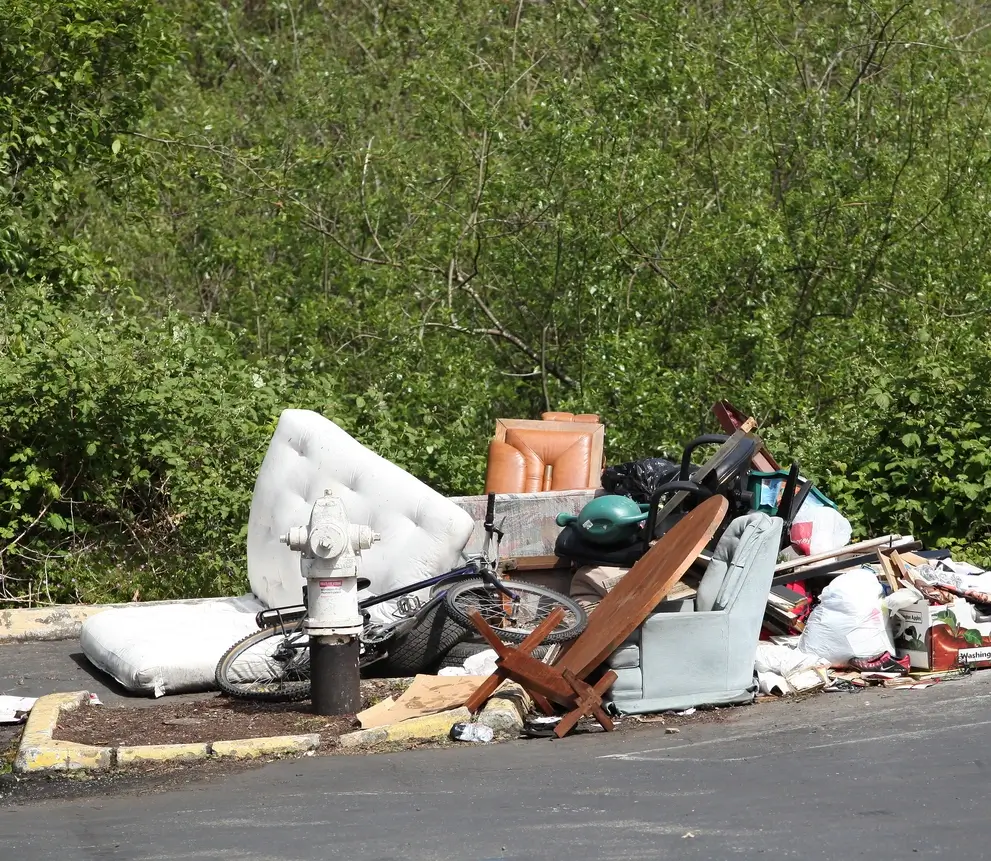
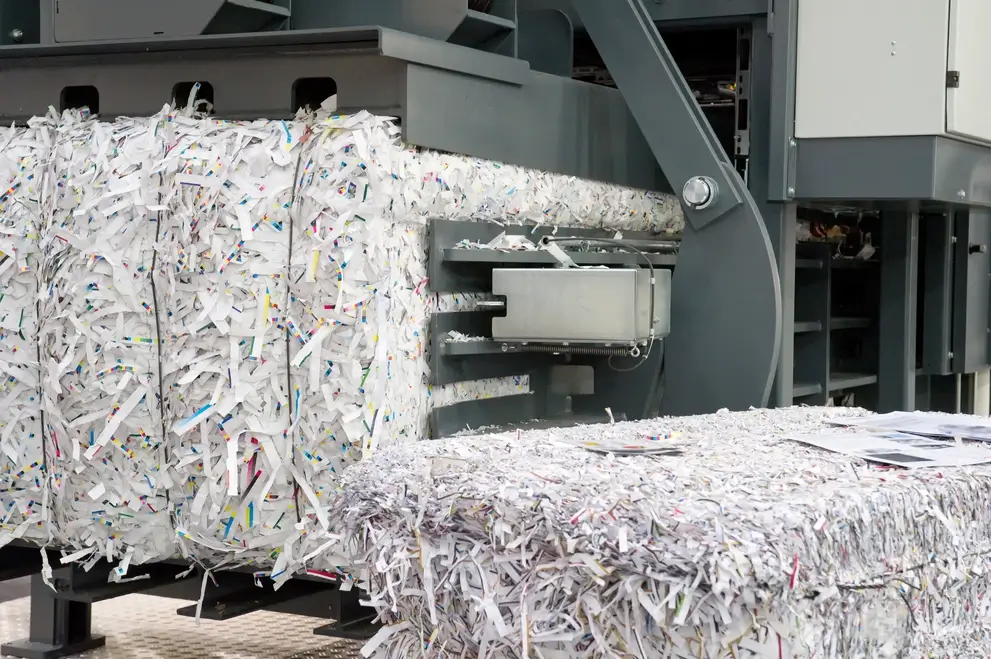
For cleaner recycling streams and better material control, our waste recycling services can be a useful part of the overall plan. In some cases, a specialised removal page is a better fit than a general skip: fridge and appliance removal suits white goods, while mattress and sofa disposal is more appropriate for large domestic furnishings. If you are comparing options, that distinction is often what makes the rest of the job straightforward.
About Blackheath
Blackheath is a district in south-east London known for its broad open heath, historic streets and strong connection with neighbouring Greenwich and Lewisham. The name refers both to the open space itself and the wider settled area around it. Blackheath Common has long been central to the locality, with the wide grassy expanse forming a clear contrast to the denser surrounding urban fabric. The heath has historically hosted large gatherings and public events, and it remains one of the area’s defining landscape features.
The built character of Blackheath includes Georgian and later residential streets, village-style shopping parades and a network of roads that connect the ridge to nearby parts of London. Blackheath railway station sits close to the centre of the district, reinforcing its role as a commuter and local shopping area. The area also has a close relationship with Greenwich Park, which lies immediately to the north-east, while the nearby Royal Observatory and the broader Greenwich heritage landscape add to the historic interest of the district. In the surrounding streets, a mix of cafes, pubs and independent businesses contributes to a lively local atmosphere without removing the sense of an established residential neighbourhood. Blackheath’s association with the open common, its position on elevated ground and its layered architectural history give it a character that is recognisably distinct within inner south-east London.
Skip sizes, pricing factors and planning your hire
Choosing the right skip usually begins with understanding how much material you have and how dense it is. A small amount of heavy rubble may need a different approach from a larger but lighter domestic clear-out. The way waste is produced also matters: an ongoing renovation can benefit from a larger or more flexible arrangement, while a one-off house clearance may be easier to handle with a single container. Careful planning reduces the chance of underestimating the load.
Price is typically influenced by the skip size, the type of waste, the hire duration and the logistics involved in delivery and collection. Access conditions can also be important if the container needs to be placed in a tight street or awkward site. If you want a clearer idea of the available options, skip sizes and prices is a useful page to review, and pricing and quotes provides a sensible route if you are comparing the main factors before deciding.
Where a project is time-sensitive, it can help to sort your waste in advance and decide which items will be ready first. That approach makes it easier to use the skip efficiently and avoid unnecessary re-handling. If the job involves more specialised material, there may be a better match elsewhere in the service range, so it is worth checking the main service pages before committing to a particular option. Shortlisting the right fit early often saves time later.
Site clearance, demolition waste and heavier jobs
Site clearance is the right kind of service when a property, yard or work area needs a thorough tidy before the next stage can begin. It may involve mixed waste, redundant fittings, bulky material and debris left after refurbishment or preparation works. The aim is to remove the remaining waste efficiently so the space is ready for its next use. For larger or more demanding jobs, a skip can be one part of a wider clearance plan rather than the only method.
Demolition waste and similar heavy loads need particular care because the material can be dense, sharp or difficult to stack neatly. This is where a clear plan for loading, access and collection becomes important. Some projects are better served by a direct removal method, while others work well with a container on site for controlled loading over time. If the work includes structural strip-out or a full property clearance, you may find the relevant route in site clearance or demolition waste removal.
Heavier waste streams should be considered early, especially when the project includes masonry, broken fixtures or mixed materials from a major refresh. In those circumstances, our broader waste options can be compared with builders waste removal and construction waste clearance. Choosing the right path is usually less about complexity and more about matching the job to the cleanest and most manageable disposal route.
Specialist skips and access-led options
Some projects call for a more specific arrangement than a standard open skip. If you need improved security or a more enclosed container, an enclosed or lockable option may be more suitable for the waste involved. Access-led choices also matter when the site is tight, the loading space is limited or the waste must be kept under control for practical reasons. These features are especially useful where items should not be exposed to weather or where the premises are busy.
Alternative methods can suit certain jobs better than a conventional skip. For example, grab lorry hire can be effective where waste is piled or distributed in a way that makes mechanical loading easier, while man and van style removal can help with smaller but awkward loads that do not justify a container. Where access, timing or street conditions are important, you may want to compare enclosed and lockable skip hire with grab lorry hire before deciding on the most practical route.
If your priority is to keep the job moving with minimal handling, choose the method that best fits the waste and the site rather than defaulting to the first option you see. That is often the most reliable way to avoid wasted space or repeated movement of materials. When the load is unusually awkward, the right solution is the one that keeps disposal simple, safe and proportionate to the task.
Permits, access and arranging a quotation
Some skip placements need extra planning, especially where the container may sit on a road, verge or other shared space. In those cases, permits and site rules can affect the arrangement, so it is sensible to review the requirements before the hire is confirmed. Access considerations also matter for delivery and collection, particularly in streets with parking pressure, narrow approaches or limited turning space. A little advance checking can prevent unnecessary delay.
When you request a quotation, it helps to have a clear idea of the waste type, the likely quantity and where the skip will go. If the job is ongoing, an approximate timetable is also useful. Keep the details focused on the practical points that affect the hire, such as material mix and access. That gives a better basis for the recommendation and helps you choose the right service from the start.
If you are ready to move forward, skip permits is the place to review road-placement requirements, and contact us is the final step for requesting a quotation or discussing the best hire option for your Blackheath project. For customers who want to organise the whole job online, book online is also available as a convenient next move.